
 By
By 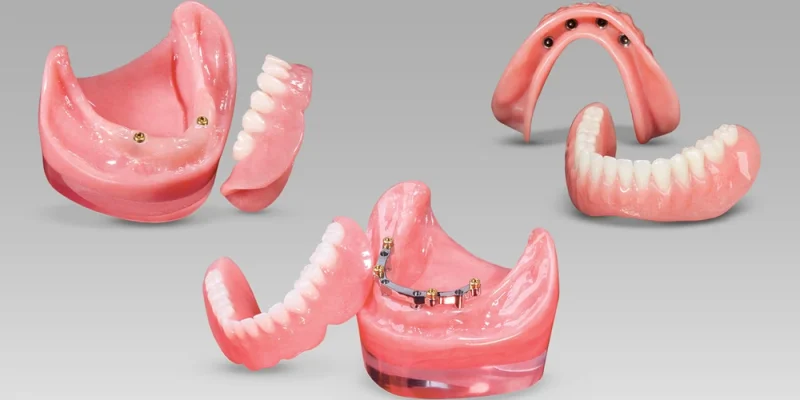
You might be here because a missing tooth, a loose denture, or a smile you no longer recognize has started to affect more than just your reflection. Maybe you avoid certain foods. Maybe you cover your mouth when you laugh. You might even dread dental visits because you worry the solution will be painful, too expensive, or just another thing that will not last. With preventive dental care Newbury Park, you can begin to feel confident that your treatment will be comfortable, worthwhile, and built to last.
It can feel unfair. Teeth are such a small part of the body, yet when they fail, they touch everything. Your confidence. Your social life. Even how you speak and eat every single day. Because of all this, you may be wondering whether implant supported restorations are worth the effort and cost, or if you should just “make do” with what you have.
Here is the short version. Implant supported restorations offer three key advantages that many people do not realize. They protect your jawbone and facial shape, they restore chewing and comfort in a way that feels close to natural teeth, and they provide long term stability that often makes them a smarter investment over time. Understanding these three benefits can help you decide whether this type of cosmetic and restorative dentistry makes sense for you.
Why do missing teeth hurt more than just your smile?
Think about what has changed since you lost one or more teeth. Maybe you cut food into tiny pieces or avoid steak, apples, or crusty bread. Perhaps your denture slips when you talk, and you feel that flash of panic that others might notice. You may even feel older than you are, simply because your mouth no longer feels like “yours.”
The problem is not only the visible gap. When a tooth is missing, the jawbone in that area no longer receives the pressure and stimulation it needs. Over time, the bone shrinks. This can change the shape of your face and make neighboring teeth shift or loosen. Traditional dentures or bridges can help you chew and smile again, but they usually sit on top of the gums. They do not replace the root of the tooth, so the bone loss underneath can quietly continue.
So where does that leave you? You want a solution that looks good, feels stable, and does not cause more problems down the road. This is where implant supported options start to stand apart.
Advantage 1: How do implant supported restorations help preserve your jaw and face?
A dental implant is a small post placed in the jaw that acts like an artificial tooth root. Once it fuses with the bone, it can support a crown, a bridge, or even a full denture. Because the implant lives in the bone, it sends the same type of daily signals that natural roots send when you chew. This helps maintain bone volume and slows the “sunken” look that sometimes appears after years of missing teeth.
If you are curious about how implants interact with bone and tissue, the FDA has a clear overview of what you should know about dental implants. Knowing the medical side can be reassuring, especially if you tend to worry about what is happening under the surface.
The emotional side matters just as much. When your jawbone stays fuller, your cheeks have better support and your face often looks more like it used to. That can make it easier to recognize yourself in photos and feel at ease in social situations again.
Advantage 2: Can implant supported teeth really feel closer to natural teeth?
Many people who wear traditional dentures describe a constant background worry. They wonder if the denture will move when they sneeze, cough, or eat something sticky. Some use a lot of adhesive, which can feel messy and still not fully secure. This ongoing tension can make simple meals feel like work.
With implant supported teeth, the restoration is anchored to the implants, not just resting on the gums. That added stability often means you can chew more confidently and speak more clearly. You are less likely to get sore spots from rubbing, and you do not have to rely as heavily on adhesive. For some, this is the first time in years they can bite into an apple or enjoy a steak without thinking about their teeth first.
Universities and teaching clinics that provide dentures and implants, such as the program described by the University of Illinois Chicago for solutions for missing teeth, often highlight this improvement in function and comfort. When you can eat normally, your nutrition, energy, and even your mood can improve.
Advantage 3: How do implant supported restorations affect long term cost and care?
It is natural to focus on the price tag of treatment. Implants usually cost more upfront than traditional dentures or bridges. That alone can feel overwhelming. Yet the conversation changes when you think about how long each option is likely to last and what kind of ongoing maintenance it needs.
Implants are designed as a long term solution. With good home care and regular checkups, they can last many years. Crowns or dentures attached to the implants may eventually need repair or replacement, but the implant posts themselves can often stay in place. This can reduce the need for frequent remakes, relines, or adjustments that some patients face with traditional dentures.
So the question becomes not only “What does this cost today?” but also “What will this choice cost me in comfort, time, and money over the next ten or twenty years?” That is a different kind of math, and it often favors implant supported options.
How do implant supported restorations compare to traditional options?
It can help to see the contrasts side by side. This simple comparison focuses on everyday concerns that most people have when they are choosing between treatments.
| Factor | Implant Supported Restorations | Traditional Dentures / Bridges |
|---|---|---|
| Bone preservation | Help stimulate the jawbone and slow bone loss | Do not replace tooth roots, bone loss often continues |
| Chewing comfort | More stable, often closer to natural biting and chewing | Can move during eating, may limit certain foods |
| Speech and confidence | Less slipping, more predictable speech and social comfort | Risk of shifting or clicking, can affect confidence |
| Daily care | Brush and floss similar to natural teeth, plus routine cleanings | Removal for cleaning in many cases, adhesives may be needed |
| Upfront vs long term cost | Higher initial investment, often fewer remakes over time | Lower initial cost, may need more frequent repairs or replacements |
| Impact on nearby teeth | Usually does not require shaping neighboring teeth | Bridges may require reshaping healthy teeth for support |
If you want a medical overview of how implants compare with other options, the University of Rochester provides helpful patient education on dental implant procedures. Reading through that can give you a clearer sense of what treatment might look like step by step.
What can you do right now if you are considering implant supported teeth?
Feeling unsure is normal. You do not have to decide everything today. You can start with a few grounded, practical steps that move you toward clarity, not pressure.
1. Write down your “non‑negotiables” before any consultation
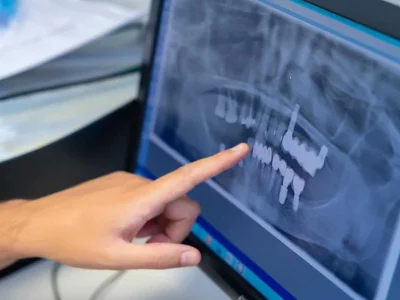
Before you speak with a cosmetic and restorative dentist, take ten minutes and list what matters most to you. For example, “I want to eat comfortably,” or “I do not want something that looks fake,” or “I need a realistic payment plan.” Bring this list with you. It keeps the conversation focused on your real life, not just on X‑rays and numbers.
2. Ask specific questions about all your options, not just implants
When you meet with a dentist, ask them to walk you through implants, bridges, and dentures in your exact situation. Ask about healing time, success rates, maintenance, and what happens if something fails. A caring dentist will welcome these questions and give you honest pros and cons, even for treatments they do not provide themselves.
3. Get a written plan that includes timelines and costs
Before committing to any procedure, ask for a written treatment plan. This should outline each step, estimated healing times, and fees. If you have dental insurance, ask the office to submit a pre‑treatment estimate when possible. Having everything on paper helps you think clearly and discuss the plan with family or trusted friends without feeling rushed.
Moving forward with a choice that fits your life
You have carried the weight of this decision for a while. Missing or unstable teeth have a way of making you feel less like yourself, and that can be draining. The good news is that modern implant dentistry gives you options that protect your health, support your confidence, and respect your long term comfort.
You do not have to choose between looking better now and feeling better later. With the right guidance, you can find an approach that balances appearance, function, and cost in a way that fits your life. The first step is simply to start the conversation with a trusted cosmetic and restorative dentist and bring your questions, your worries, and your hopes with you.
You deserve to smile, eat, and speak without holding back. Taking one small, informed step today can move you closer to that reality.





Comments