
 By
By 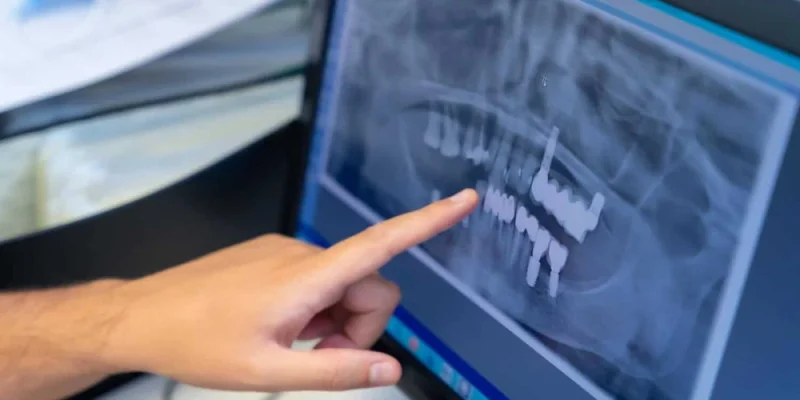
You might be feeling caught between two worlds right now. On one side is the familiar comfort of traditional X rays that you and your team know by heart. On the other side is the steady pressure to “go digital,” invest in new systems, and rework routines that already feel stretched. As a dentist in Garland, it is normal to wonder whether digital radiographs are really worth the disruption, the cost, and the learning curve.end
Because of this tension, you might also worry about missing something important. Are your images as clear as they could be. Are you keeping patients as safe as you should. Are you staying aligned with current standards or quietly falling behind. These are not small questions. They affect your patients, your staff, and your peace of mind.
Here is the short version. Moving to digital dental X rays does three things very well. It protects patients with lower radiation and better diagnostics. It makes your daily workflow more efficient and less chaotic. It strengthens trust, communication, and continuity of care. The technology is not a magic solution, but used thoughtfully, it can support the kind of calm, confident practice you want to run.
Why do digital radiographs matter when “film still works”?
On the surface, film radiography can feel “good enough.” You know how to position the sensor, read the image, and make treatment decisions. The problem is that dentistry has changed. Expectations for safety, clarity, and data sharing are higher than ever, and film often struggles to keep up.
Consider a common scenario. A busy Monday morning, a nervous new patient, and a bitewing series that has to be retaken twice because the first images were underexposed. You lose time. The patient’s anxiety rises. Radiation exposure increases. Your team feels rushed and behind before the day has really started.
Now add in the hidden costs. Chemical processing, darkroom maintenance, film storage, and the space they consume. Each one alone seems manageable, but together they chip away at your margins and your staff’s energy. When systems feel clunky, people feel tired.
So where does that leave you. It often leads to a quiet frustration. You want to offer excellent care, yet the tools in your hands sometimes limit what you can see and how fast you can respond.
Digital radiographs address those pain points on several levels. The American Dental Association provides guidance on radiographic imaging in dental practice, emphasizing that you are expected to balance diagnostic benefit with radiation risk and workflow realities. Digital systems help you do exactly that.
Reason 1: Better diagnostics with less radiation and more clarity
Every time you order an X ray, you are making a judgment call. You want the most information with the least exposure. Digital radiography gives you a powerful advantage in that balance.
Digital sensors are more sensitive than traditional film. That means you can often achieve diagnostic quality images with significantly lower radiation doses. A review in the National Library of Medicine highlights how digital dental radiography can reduce exposure while maintaining image quality. For a parent sitting in your chair, that matters. For an older patient with a long history of X rays, it matters even more.
Clarity is the other side of this coin. With digital images, you can zoom, adjust contrast, and enhance specific areas without re-exposing the patient. Early interproximal caries, subtle bone loss, and periapical changes become easier to detect. You are less likely to miss the silent pathology that only shows itself when it is already advanced.
When you can show a patient a crisp image on a screen and point to the exact area of concern, treatment conversations change. They feel informed instead of pressured. You feel confident instead of tentative.
Reason 2: Smoother workflow and less daily friction for your team
Think about all the tiny delays tied to film. Walking to the darkroom. Waiting for processing. Dealing with chemical issues. Repeating images that did not come out. None of these are dramatic on their own, yet together they create a constant background drag on your day.
Digital radiographs remove much of that friction. Images appear on screen within seconds. If positioning is off, you see it immediately and correct it. There is no chemical maintenance, no drying time, no physical filing. Your assistant can take an image, and by the time they turn around, you are already reviewing it chairside.
National standards now support the capture and exchange of high quality digital images. The ADA has described how updated standards help practices share digital radiographs more easily. That means faster referrals, clearer communication with specialists, and fewer delays when patients move or seek second opinions.
When your systems flow smoothly, your team can focus on people instead of wrestling with equipment. That shift shows up in fewer bottlenecks, more on time appointments, and less end of day exhaustion.
Reason 3: Stronger trust, transparency, and continuity of care
Most patients do not know how to read a radiograph, but they know how it feels when they are included in the process. Digital images make that inclusion natural. You can display the image on a monitor, walk them through what you see, and compare current findings with past images in seconds.
For a new patient choosing a family dentist, that level of openness is powerful. They see that you are not hiding anything. You are showing, explaining, and inviting questions. This builds trust faster than any marketing promise ever could.
Continuity of care also improves. When a patient returns after two years, you can pull up their previous digital radiographs instantly and show side by side comparisons. Has bone loss progressed. Did that questionable area remain stable. Visual answers calm fears and support clear decision making.
Digital systems also support better documentation. Clear time stamped images tied directly to the patient record protect both patient and provider if questions arise later. Your clinical decisions are backed by visible, accessible evidence.
How do film and digital radiographs really compare in daily practice?
It might help to see the differences laid out in one place. The table below focuses on practical points you feel every day in the operatory and at the front desk.
| Factor | Traditional Film Radiographs | Digital radiographs in dentistry |
|---|---|---|
| Radiation exposure | Higher exposure needed to achieve diagnostic images | Lower exposure due to more sensitive sensors |
| Image availability | Several minutes for developing and drying | Visible on screen within seconds |
| Image quality and adjustment | Fixed once developed, limited enhancement possible | Zoom, contrast, filters, and measurements without re exposure |
| Storage and retrieval | Physical storage space, manual filing, risk of loss | Digital storage, quick search, easy backups |
| Chemicals and maintenance | Developer, fixer, disposal, and equipment upkeep | No processing chemicals, simpler maintenance |
| Sharing with other providers | Mailing or scanning films, quality often degrades | Fast electronic sharing with consistent quality |
| Patient communication | Small films that are hard for patients to interpret | Large on screen images that support clear explanations |
What can you do right now to move toward smarter radiography?
You may not be ready to overhaul everything at once. That is fine. Thoughtful, steady steps can still move you in the right direction.
1. Audit your current radiograph process honestly
Track one typical week. How many images are retaken. How much time is spent walking to and from the darkroom. How often do you wish you could enhance an image but cannot. Put real numbers to your frustration. This helps you see whether staying with film is truly cheaper or if it is quietly costing you more in time, supplies, and stress.
2. Prioritize patient communication when you compare options
When evaluating digital systems, focus not just on technical specs but on how the images will be used in conversations. Can you display them comfortably chairside. Are tools for zooming and annotating simple enough for your whole team to use. The best system is the one that helps you explain treatment clearly and calmly to your patients.
3. Plan training and protocols before you install anything
Technology alone will not fix workflow problems. Decide in advance how images will be named, stored, and backed up. Assign clear roles for capturing, reviewing, and sharing radiographs. Schedule hands on training for your team, including time to practice common “what if” scenarios. A structured rollout reduces anxiety and helps everyone feel supported instead of overwhelmed.
Moving toward clarity, confidence, and calmer days
Switching to digital radiography for dentists is not just about keeping up with technology. It is about creating a safer, clearer, and more reassuring experience for the people who trust you with their care, and a more manageable, less stressful environment for the people who work beside you.
You do not have to change everything overnight. You only need to take the next wise step. Start by examining your current process, then explore digital options that fit your practice size, philosophy, and budget. Each thoughtful move you make now sets you up for years of smoother visits, clearer diagnoses, and stronger relationships with your patients.







Comments